
If you are planning to launch an online store, one of the most important decisions you will make is choosing the right ecommerce platform. The debate around Shopify vs WooCommerce is common among startups, small business owners, and entrepreneurs because both platforms are powerful but serve different needs.
Whether you are starting a new online business in India or expanding your brand in a competitive market like Mumbai, selecting the right platform affects your website cost, ease of management, flexibility, and long-term growth. Some businesses prefer Shopify website development because it is simple, hosted, and beginner-friendly. Others choose WooCommerce store setup because it offers greater control, customization, and integration with WordPress.
In this guide, we will compare Shopify vs WooCommerce in detail, covering features, pricing, design flexibility, SEO, and scalability. If you are confused about which option is right for your business, this ecommerce platform comparison will help you make the best decision.
Overview: Shopify vs WooCommerce
Before comparing features, it is important to understand what each platform offers.
What is Shopify?
Shopify is a hosted ecommerce platform designed specifically for online stores. It provides everything in one place, including:
Hosting
Security
Payment integrations
Store themes
Inventory management
This makes Shopify website development ideal for business owners who want a quick and simple setup.
What is WooCommerce?
WooCommerce is a WordPress plugin that turns your WordPress website into an ecommerce store.
It offers:
Full control over your website
Flexible customization
Access to WordPress plugins
Scalable store features
A WooCommerce store setup is often preferred by businesses that want advanced customization and lower initial costs.
Shopify vs WooCommerce: Key Differences
When comparing Shopify vs WooCommerce, these are the most important factors to consider.
1. Ease of Use
Shopify
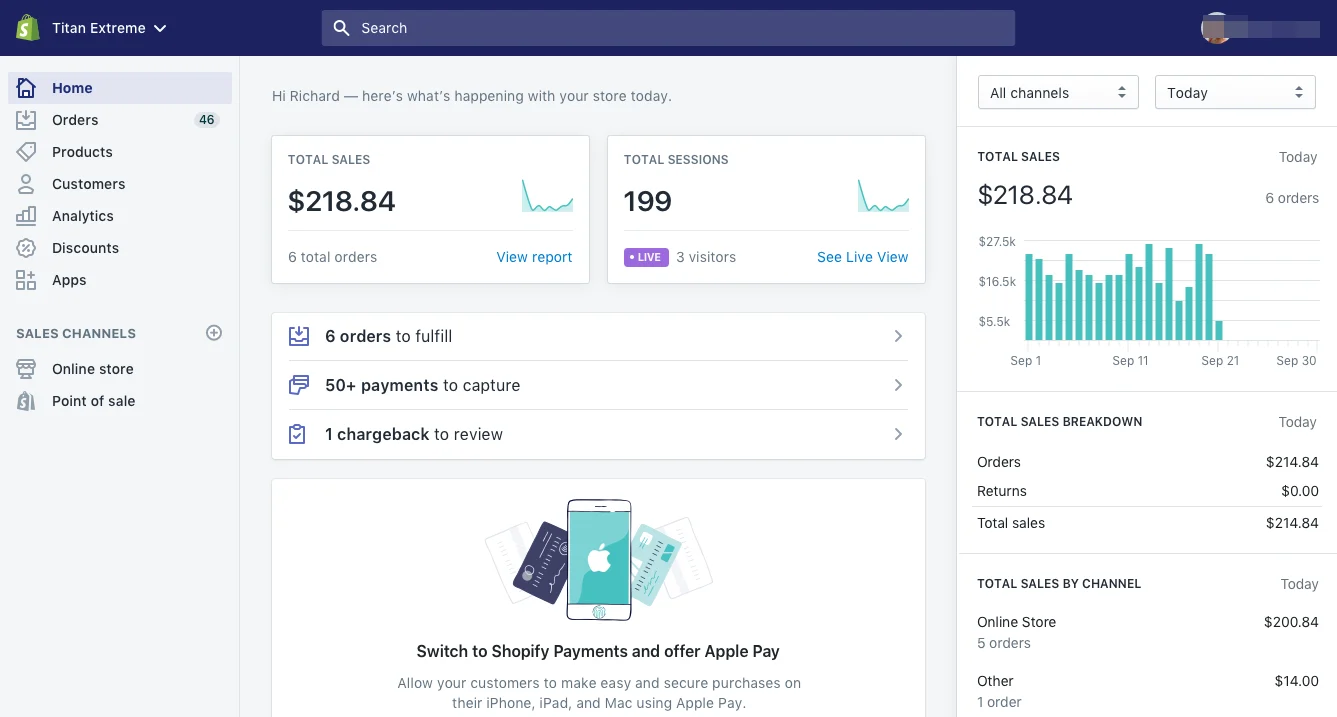
Shopify is beginner-friendly and easy to manage. It is built for people who may not have technical knowledge.
Benefits:
Quick setup
Easy dashboard
Built-in hosting
Automatic updates
This makes it ideal for startups and small businesses.
WooCommerce
WooCommerce gives more flexibility, but it requires more setup.
You need:
WordPress installation
Hosting
Theme setup
Plugin configuration
For businesses working with a professional ecommerce website development company, WooCommerce can be a strong long-term choice.
2. Pricing and Cost Comparison
Pricing is one of the biggest factors in the Shopify vs WooCommerce decision.
Shopify Costs
Shopify usually includes:
Monthly subscription
Paid themes (optional)
Apps/plugins (optional)
Transaction fees (depending on payment gateway)
Typical cost range:
₹2,000 – ₹8,000+ per month depending on plan and apps
WooCommerce Costs
WooCommerce itself is free, but you still pay for:
Hosting
Domain
Premium themes
Paid plugins
Security / maintenance
Typical cost range:
₹10,000 – ₹80,000+ for setup depending on customization
For businesses on a budget, WooCommerce can be more affordable initially, but maintenance costs should be considered.
3. Design and Customization
Shopify
Shopify offers beautiful store themes and app integrations.
However:
Customization is more limited compared to WooCommerce
Advanced changes may require Shopify development expertise
WooCommerce
WooCommerce is highly flexible because it runs on WordPress.
Advantages include:
Full design control
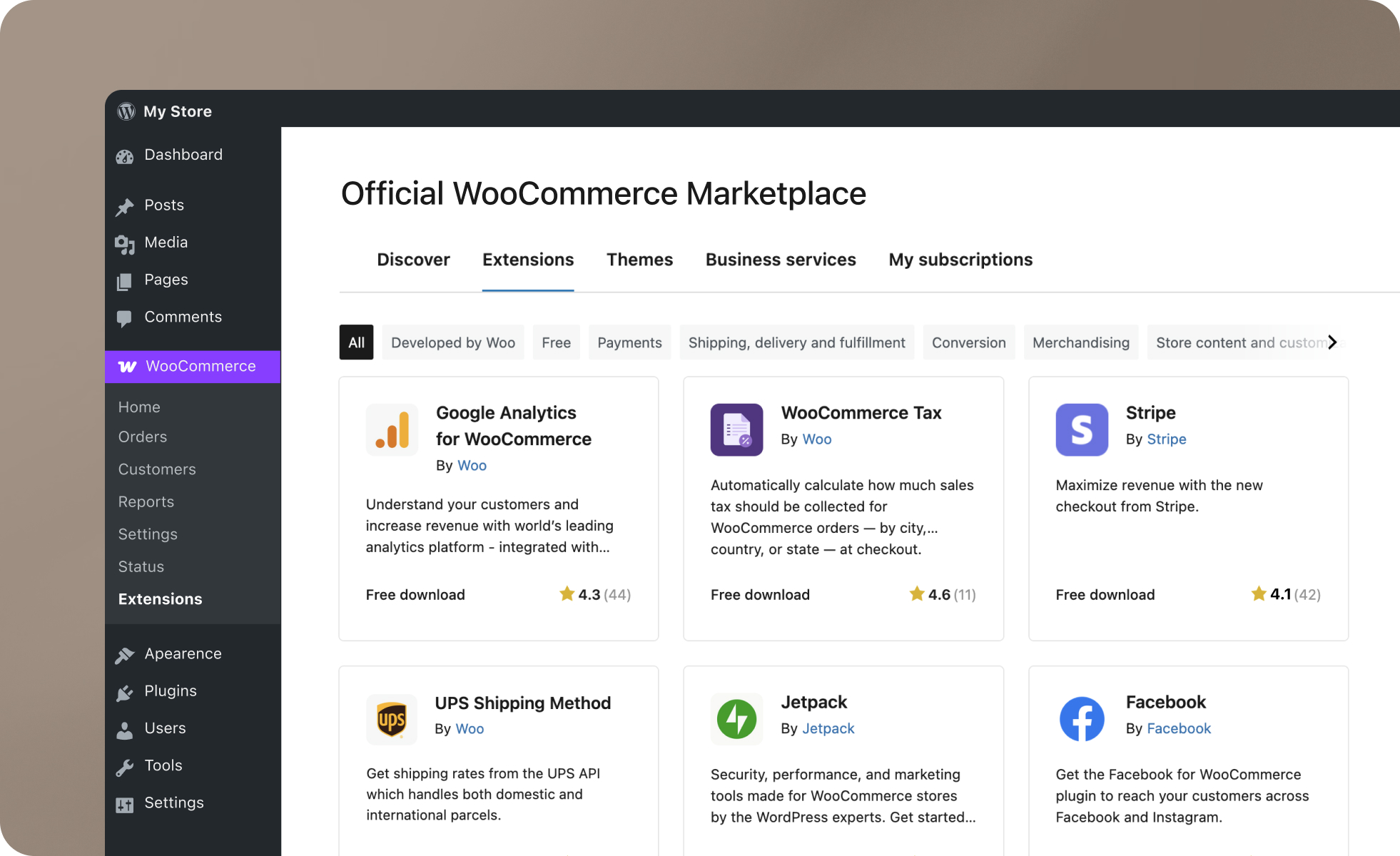
Thousands of plugins
Easier content marketing integration
Better flexibility for custom features
For businesses needing unique design and content-heavy ecommerce websites, WooCommerce is often better.
4. SEO and Content Marketing
SEO is critical for ecommerce growth.
Shopify SEO
Shopify has good built-in SEO features, including:
Editable meta titles and descriptions
Mobile-friendly themes
Fast hosting
SSL security
However, URL structure and some advanced SEO settings are less flexible.
WooCommerce SEO
WooCommerce is built on WordPress, which is excellent for content marketing and SEO.
Benefits include:
Better blog integration
More control over URLs
Powerful SEO plugins like Rank Math or Yoast
Easier internal linking and content strategy
For businesses focused on ranking products and blogs on Google, WooCommerce often has an advantage.
5. Scalability and Growth
Shopify
Shopify is highly scalable and works well for:
Fast-growing stores
Businesses with large inventories
Brands needing reliable hosted infrastructure
It is ideal for business owners who want less technical management.
WooCommerce
WooCommerce is also scalable but depends on your hosting quality and technical setup.
It is best for:
Businesses that want control
Stores with content-driven SEO strategies
Brands needing custom workflows
Shopify vs WooCommerce: Quick Comparison Table
| Feature | Shopify | WooCommerce |
|---|---|---|
| Ease of Use | Very Easy | Moderate |
| Hosting | Included | Separate |
| Monthly Cost | Ongoing subscription | Flexible |
| Customization | Moderate | Very High |
| SEO Flexibility | Good | Excellent |
| Best For | Beginners & fast launch | Flexible, content-rich stores |
| Maintenance | Low | Medium to High |
Which Platform Is Better for Different Businesses?
Choose Shopify If:
You want a quick and easy store launch
You do not want to manage hosting or technical setup
You prefer an all-in-one platform
You want less maintenance
Choose WooCommerce If:
You already use WordPress
You want better SEO and blogging capabilities
You need advanced customization
You want more control over your store
Common Mistakes Businesses Make
Many businesses choose the wrong platform because they only look at price.
Common mistakes include:
Ignoring long-term maintenance costs
Choosing Shopify without considering app costs
Choosing WooCommerce without quality hosting
Not planning for SEO and content strategy
Ignoring future scalability
Working with an experienced ecommerce website development team can help avoid these issues.
Expert Tips Before Choosing Shopify or WooCommerce
Before deciding on Shopify vs WooCommerce, consider these practical tips:
Define your budget clearly
Decide if you want a DIY platform or expert-managed setup
Think about future SEO and blogging needs
Estimate app/plugin costs in advance
Choose a platform based on business goals, not just trends
A professional web development and digital marketing company can help you choose the right platform and build a store optimized for both sales and search visibility.
FAQ Section
The main difference between Shopify vs WooCommerce is that Shopify is a fully hosted ecommerce platform, while WooCommerce is a WordPress plugin that gives you more control and customization.
Shopify is generally better for beginners because it is easier to set up, includes hosting, and requires less technical knowledge.
WooCommerce can be cheaper initially because the plugin is free, but total costs depend on hosting, themes, plugins, and maintenance.
WooCommerce is often better for SEO because it runs on WordPress and offers more flexibility with content, URLs, and SEO plugins.
Small businesses should choose Shopify if they want simplicity and fast launch. They should choose WooCommerce if they want flexibility, stronger content marketing, and more control.
Conclusion
Choosing between Shopify vs WooCommerce depends on your business goals, budget, and technical comfort level.
If you want an easy, all-in-one solution with less maintenance, Shopify website development is a great choice. If you want full flexibility, stronger content marketing, and better long-term SEO control, a WooCommerce store setup may be the better option.
For startups, small businesses, and growing brands in India, the right choice depends on how you plan to scale your store in the future.
If you need expert help with ecommerce website development, Shopify website development, or WooCommerce store setup, working with a professional web development and digital marketing team can help you build a store that is optimized for both conversions and Google rankings.
Contact an experienced ecommerce development team today to build the right online store for your business.
✦ Our Complete Services
Everything Your Business Needs to Win Online
From pixel-perfect design to search engine dominance — end-to-end digital solutions built for growing brands in Mumbai & India.
300+
Websites Built
10+
Years Experience
20+
Industries Served
5.0 ★
Google Rating (185 Reviews)
— WEB DESIGN & DEVELOPMENT
Professional Website Design Services
High-converting websites built on the right platform for your business — mobile-first, SEO-optimized, and designed to grow.
DESIGN
Mobile-first websites that adapt perfectly across all devices — phone, tablet, and desktop.
- Mobile-first approach
- Cross-browser compatible
- Fast loading speed
- Modern UI/UX design
PLATFORM
Custom WordPress websites that are easy to manage, SEO-optimized, and built to scale.
- Custom theme development
- Plugin integration
- SEO-friendly structure
- Easy content management
ECOMMERCE
High-converting Shopify stores with seamless checkout and mobile optimization.
- Conversion-focused layouts
- Payment gateway setup
- Product page optimization
- Shopify app integration
CUSTOM
Bespoke websites crafted from scratch, tailored to your brand identity and goals.
- 100% unique design
- Brand-aligned UI
- Scalable architecture
- Performance optimized
REDESIGN
Transform outdated websites into modern, high-performing digital assets.
- UX audit & improvement
- Speed optimization
- SEO structure update
- Content migration
REDESIGN
Website Redesign Services
Transform outdated websites into modern, high-performing digital assets.
- UX audit & improvement
- Speed optimization
- SEO structure update
- Content migration
FULL SERVICE
- Keyword research & mapping
- On-page optimization
- Technical SEO audit
- Monthly performance report
Build domain authority through high-quality backlinks and digital PR.
- High-DA backlink building
- Guest posting
- Brand mentions
- Competitor analysis
Dominate local search and Google Maps to attract nearby customers.
- Google Business Profile
- Local citation building
- Review management
- Geo-targeted content
SHOPIFY
Shopify SEO Services
Specialized SEO for Shopify stores — product pages, collections & schema.
- Product schema markup
- Collection optimization
- Site speed improvement
- Shopify blog SEO
WORDPRESS
WordPress SEO Services
Technical and content SEO for WordPress — from schema to Core Web Vitals.
- Yoast / RankMath setup
- Core Web Vitals fix
- Internal linking strategy
- XML sitemap & schema
ECOMMERCE
Ecommerce SEO Services
Full-funnel ecommerce SEO to boost organic product discovery and sales.
- Category page SEO
- Product rich snippets
- Conversion tracking
- Competitor gap analysis
— DIGITAL SOLUTIONS & INFRASTRUCTURE
Hosting, Email & Domain Services
Everything your business needs to stay online, secure, and look professional — under one roof.
- cPanel control panel
- Free SSL certificate
- Daily backups
- 99.9% uptime SLA
- All popular TLDs
- DNS management panel
- Domain privacy protection
- Auto-renewal options
- Professional Gmail setup
- Google Drive for Teams
- Google Meet & Chat
- Admin console support
- Custom domain email
- Spam & virus protection
- Webmail access
- IMAP / POP3 support
- HTTPS encryption
- Domain & wildcard SSL
- Boost search rankings
- Trust badge display
SECURITY
Digicerts & SSL Certificate
Secure your site with SSL & boost Google trust signals.
- HTTPS encryption
- Domain & wildcard SSL
- Boost search rankings
- Trust badge display
Ready to Grow Your Business Online?
Talk to our team today and get a free consultation. We build websites that rank, load fast, and convert visitors into customers.
What Our Clients Say
Posted on GoogleTrustindex verifies that the original source of the review is Google. Awesome servicePosted on GoogleTrustindex verifies that the original source of the review is Google. Best web and seo agency in mumbai they help me free of cost live my mobile number thanksPosted on GoogleTrustindex verifies that the original source of the review is Google. I found them on google they are best guy's they also advise for digital marketing I'm definitely call you regarding this thanks..Posted on GoogleTrustindex verifies that the original source of the review is Google. Best web design and seo company in mumbai nice experience with web birdPosted on GoogleTrustindex verifies that the original source of the review is Google. As a startup, budget was important for me. Web Bird offered reasonable pricing compared to other website development companies in Mumbai. No hidden charges. Work quality is also good. Worth it.Load more
Web Design & SEO Services Across Mumbai
We serve clients across every Mumbai suburb — Western Line, Central Line, Harbour Line and Metro stations.